
Force-Controlled Solenoid Valves vs. Pneumatic Valves in Biogas Plants
Using the practical example of the BGEA project, a Buschjost comparison shows: whilst force-controlled solenoid valves are initially around 18% more expensive than pneumatic valves, they pay for themselves in the long term through the elimination of complete compressed air infrastructure, minimal maintenance effort and maximum operational safety in ATEX-certified hazardous zones.
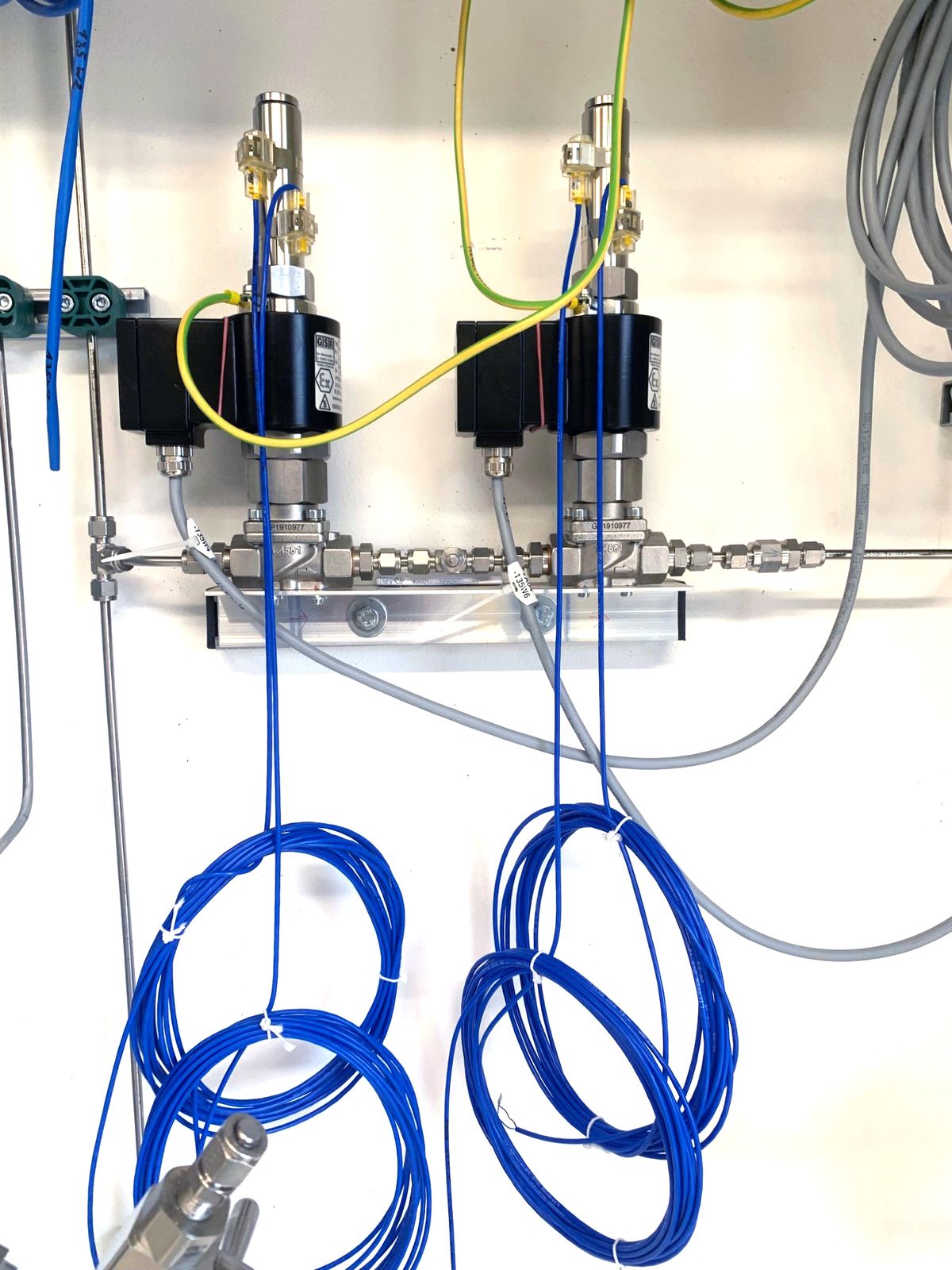
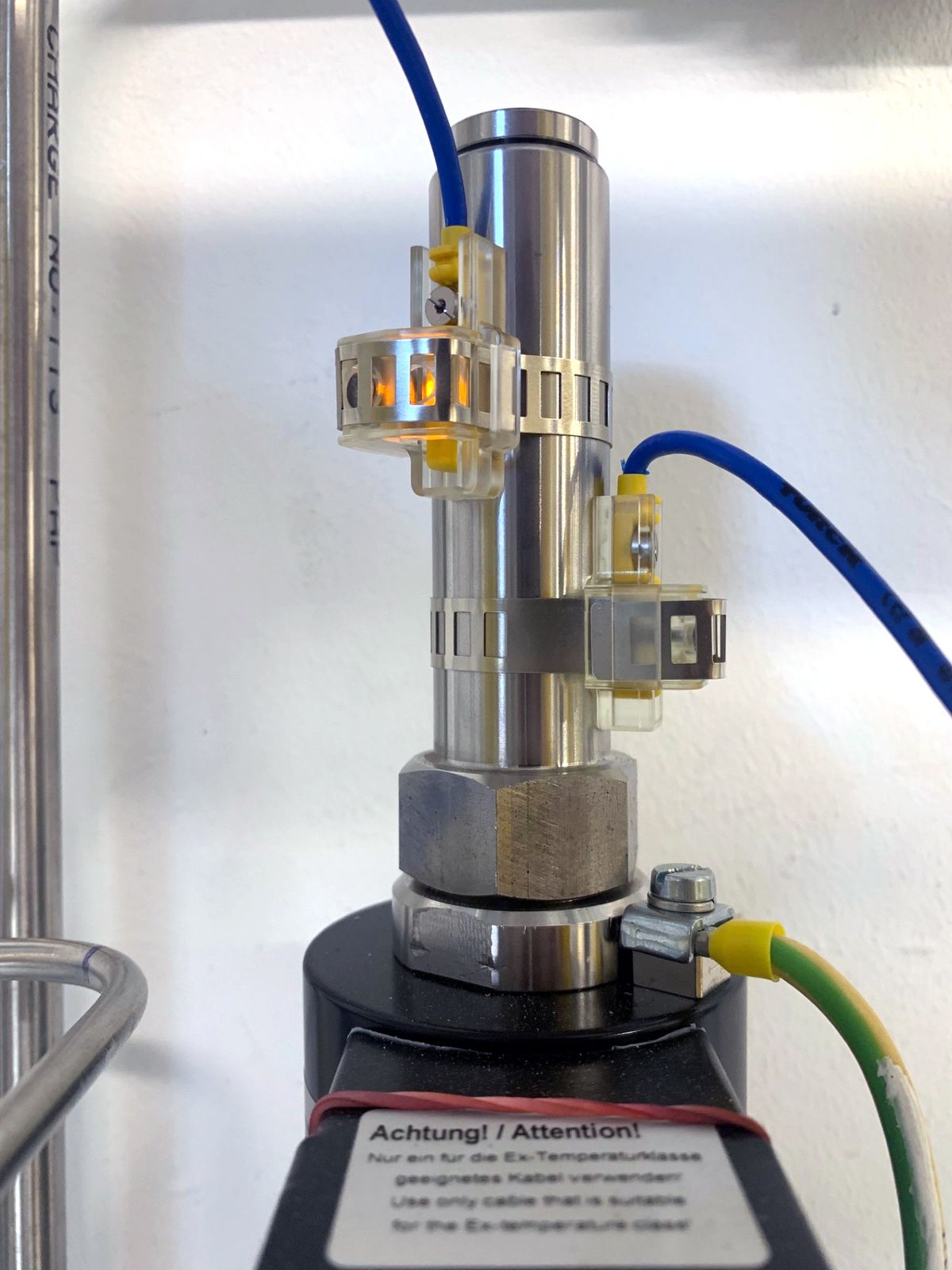
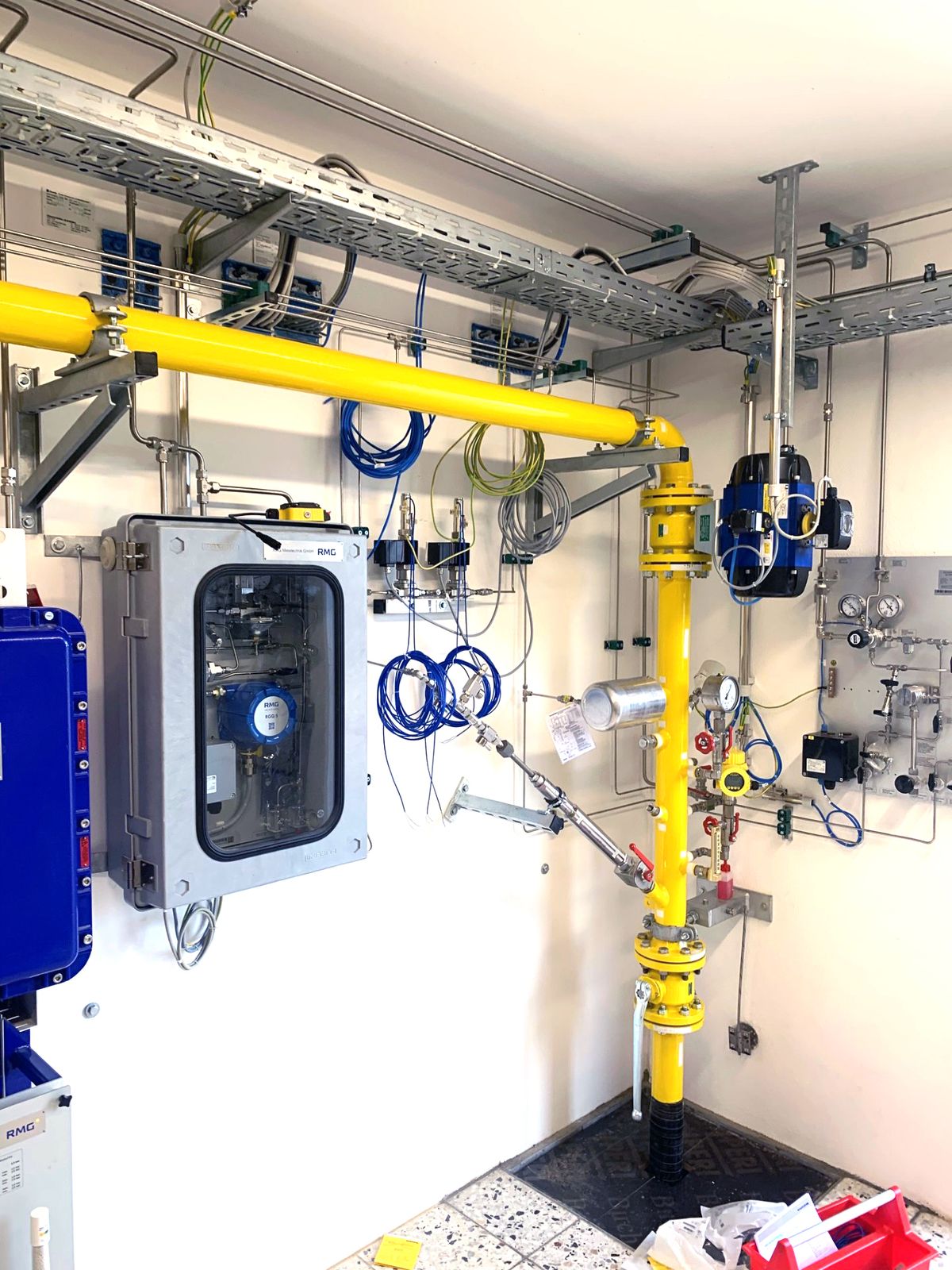
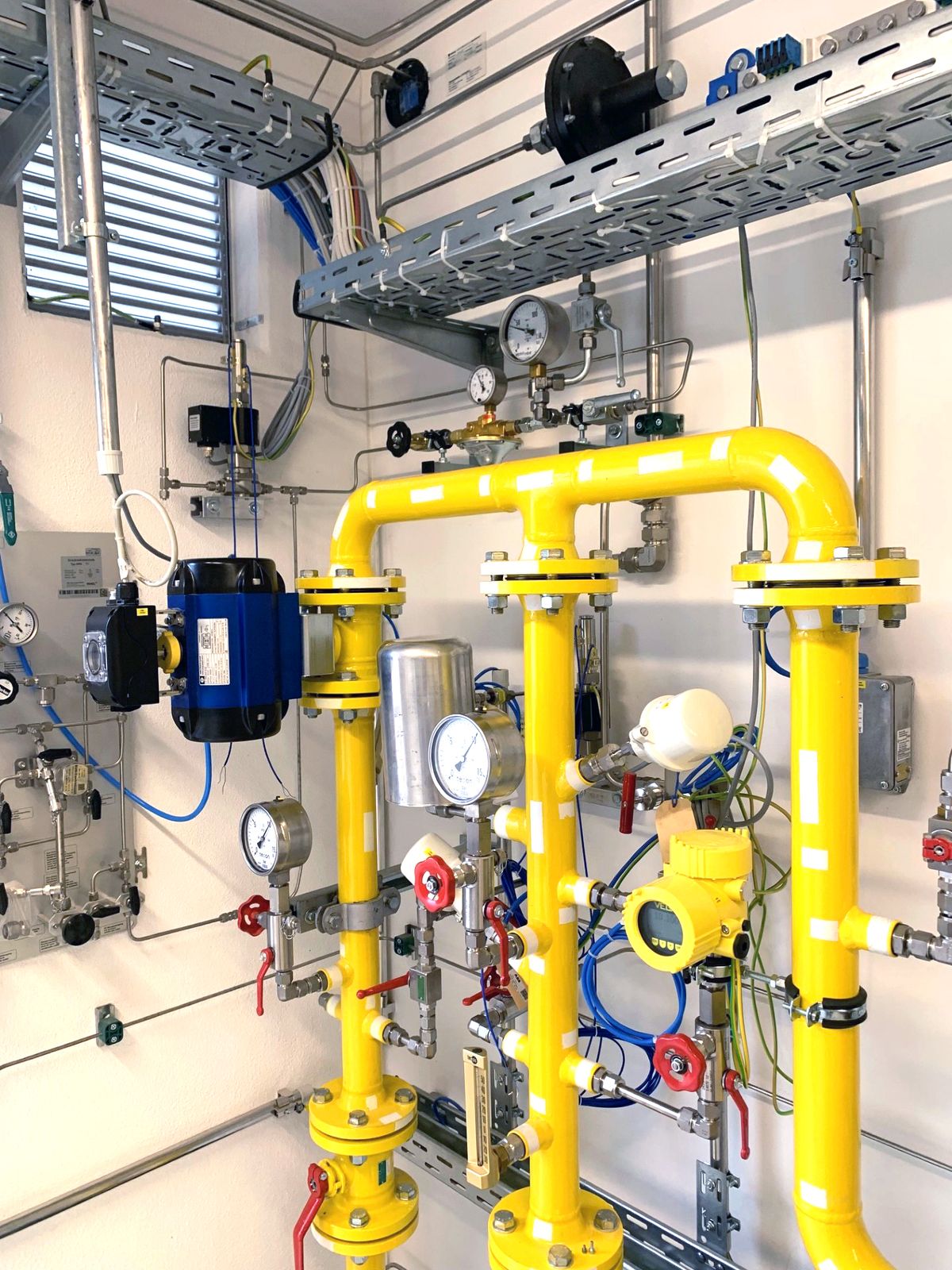
In agricultural biogas plants, organic substrates are fermented to produce biogas, which subsequently needs to be processed in demanding process steps such as CO₂ separation, drying and pressure increase up to 70 bar. In all these critical stages, valves are used that perform central tasks such as the automatic shut-off of gas flows and the triggering of safety-relevant shutdown functions.
Since these fittings work directly with flammable gases in hazardous Ex zones, they must meet the strictest safety requirements such as the ATEX Directive (2014/34/EU) and the EU Pressure Equipment Directive (2014/68/EU).
The Practical Case: BGEA Biogas Plant Project
For the planning and execution of the system, the general contractor requested specific valve solutions from Buschjost. The technical requirements for the fittings were high:
- Medium: Biogas with hydrogen admixture up to 10 vol.-%
- Operating conditions: Temperatures from −10 to +60 °C at operating pressures between 2.5 and 16 bar
- Safety: ATEX classification for Ex Zone 2, SIL 2 and IP65 protection class or higher
To provide the system builder with the best decision-making foundation, Buschjost developed two different technological solution approaches: force-controlled solenoid valves and pneumatic valves.
Technical Requirements at a Glance
| Parameter | Specification |
|---|---|
| Medium | Biogas with up to 10 vol.-% hydrogen admixture |
| Temperature range | −10 °C to +60 °C |
| Operating pressure | 2.5 to 16 bar |
| ATEX Classification | Ex Zone 2 |
| Safety requirement | SIL 2 |
| Protection class | IP65 or higher |
The Two Technologies in Direct Comparison
Both valve technologies are fundamentally very well suited for the biogas medium, but exhibit decisive differences in function and operation.
Force-Controlled Solenoid Valves (Failsafe)
These valves operate electromagnetically and switch absolutely reliably from a pressure differential of 0 bar. They are characterised by failsafe behaviour, in which the valve safely closes through spring force and only opens when voltage is applied. The decisive advantage: no control air is required for switching. Since all components are bolted together and compressed air technology is dispensed with, the leakage risk is extremely low. Despite initially higher acquisition costs, they thus offer virtually maintenance-free operation and maximum operating safety.
Pneumatic Valves
In contrast, pneumatic valves require external control air to open. Although these models also switch very quickly from 0 bar and have failsafe behaviour (closing through spring force), their operation depends on a functioning compressed air supply. This means that additional components such as compressors, filters and dryers must be installed and maintained. This not only increases maintenance effort, but also increases the risk of potential leakage through the additional compressed air lines required.
Technology Comparison at a Glance
| Criterion | MV Force-Controlled | Pneumatic Valve |
|---|---|---|
| Operating principle | Electromagnetic | Compressed air (external) |
| Minimum pressure differential | 0 bar | 0 bar |
| Failsafe behaviour | ✓ Spring force | ✓ Spring force |
| Control air required | ✗ Not required | ✓ Yes |
| Additional infrastructure | None | Compressor, filter, dryer |
| Leakage risk | Very low | Elevated |
| Maintenance effort | Minimal | Higher |
| Operation without compressed air | ✓ Yes | ✗ No |
Investment Costs vs. Operating Costs (Total Cost of Ownership)
To create a sound decision-making foundation for the project, a comparative cost calculation was carried out for both system variants.
At first glance, the pneumatic valve variant scores with lower investment costs. The project calculation resulted in pure acquisition costs of approximately €17,000 for this solution. This makes it approximately 18% cheaper on initial consideration than the total equipment with force-controlled solenoid valves, for which project-related net investments of approximately €20,655 were budgeted.
However, practice warns against only considering pure acquisition costs: the additional and ongoing costs for providing, preparing and maintaining the compressed air infrastructure are considerable and must not be underestimated in the overall assessment (Total Cost of Ownership).
Cost Comparison – Investment vs. Ongoing Operating Costs
| Cost Factor | MV Force-Controlled | Pneumatic Valve |
|---|---|---|
| Acquisition costs | approx. €20,655 net | approx. €17,000 net |
| Acquisition advantage | — | approx. 18% cheaper |
| Compressed air infrastructure | Not required | Significant additional costs |
| Ongoing maintenance | Minimal | Regular, elevated |
| TCO Overall Assessment | Superiority in the long term | Higher total costs |
Conclusion: Safety and Maintenance-Freeness Pay Off
If the system does not yet have compressed air infrastructure in place, or if this cannot be economically operated, force-controlled solenoid valves represent the superior choice. The elimination of compressors and filters reduces maintenance effort to a minimum and guarantees leak-free operation in the sensitive biogas process.
The practical case demonstrates impressively: an initially higher investment sum for the valve set typically amortises quickly through significantly lower ongoing operating costs and substantially increased system safety.
Decision Aid – When Which Technology?
| MV Force-Controlled Recommended When … | Pneumatic Valve Suitable When … |
|---|---|
| No compressed air infrastructure present | Compressed air supply already available and economically operable |
| Minimal maintenance effort required | Low investment costs in the foreground |
| Leak-freeness in biogas process critical | Multiple consumers share the compressed air system |
| Maximum operating safety required | Short-term amortisation in focus |
Frequently Asked Questions About Solenoid Valves in Biogas Plants
What is the difference between force-controlled solenoid valves and pneumatic valves?
Force-controlled solenoid valves operate purely electromagnetically and require no external compressed air for switching. They open when voltage is applied and close automatically through spring force (failsafe). Pneumatic valves, on the other hand, require an external compressed air supply with compressor, filter and dryer. Both types switch from 0 bar pressure differential and have failsafe behaviour, but differ significantly in maintenance effort and infrastructure requirements.
Which valves are best suited for biogas plants?
Both force-controlled solenoid valves (MV) and pneumatic valves are suitable for biogas plants. Force-controlled MV are particularly recommended when no compressed air infrastructure is available, maximum operating safety is required, or leak-freeness is critical. The valves must be ATEX certified for Ex Zone 2, meet SIL 1 and offer at least IP65 protection class.
What do solenoid valves for biogas plants cost in comparison?
In the practical example BGEA Münsterland, acquisition costs for force-controlled solenoid valves were approx. €20,655 net, whilst pneumatic valves were approx. €17,000 net, approximately 18% cheaper. However, pneumatic valves incur significant ongoing additional costs for compressed air infrastructure and maintenance. In total cost of ownership (TCO) consideration, force-controlled solenoid valves are often more economical in the long term.
Do solenoid valves in biogas plants require ATEX certification?
Yes, solenoid valves in biogas plants must be mandatory certified according to ATEX Directive 2014/34/EU, as they work with flammable gases in explosive hazard areas. Typically, minimum certification for Ex Zone 2 is required. Additionally, the valves must comply with the EU Pressure Equipment Directive 2014/68/EU.
What does Failsafe mean in a solenoid valve?
Failsafe means that a solenoid valve automatically changes to a safe state in case of power loss or signal loss – it closes through spring force independently and interrupts the gas flow. The valve opens only when voltage is actively applied. This behaviour is a central safety requirement in explosive hazard areas.
Why are force-controlled solenoid valves more maintenance-free?
Because they require no external compressed air supply. With pneumatic valves, compressors, filters, dryers and lines must be serviced regularly – these components also increase leakage risk. Force-controlled solenoid valves have bolted components without compressed air technology, therefore maintenance effort is minimal.
Up to what pressure do solenoid valves work in biogas plants?
In the practical case, valves for 2.5 to 40 bar operating pressure were used. However, biogas processing can reach pressures up to 70 bar. The valves must be designed for temperatures from −10 °C to +60 °C and handle biogas with up to 10 vol.-% hydrogen admixture.
Source: Kilian Barmeier Expert for valve solutions, Buschjost Magnetventile GmbH & Co. KG · Practical case biogas plant Münsterland in cooperation with the general contractor